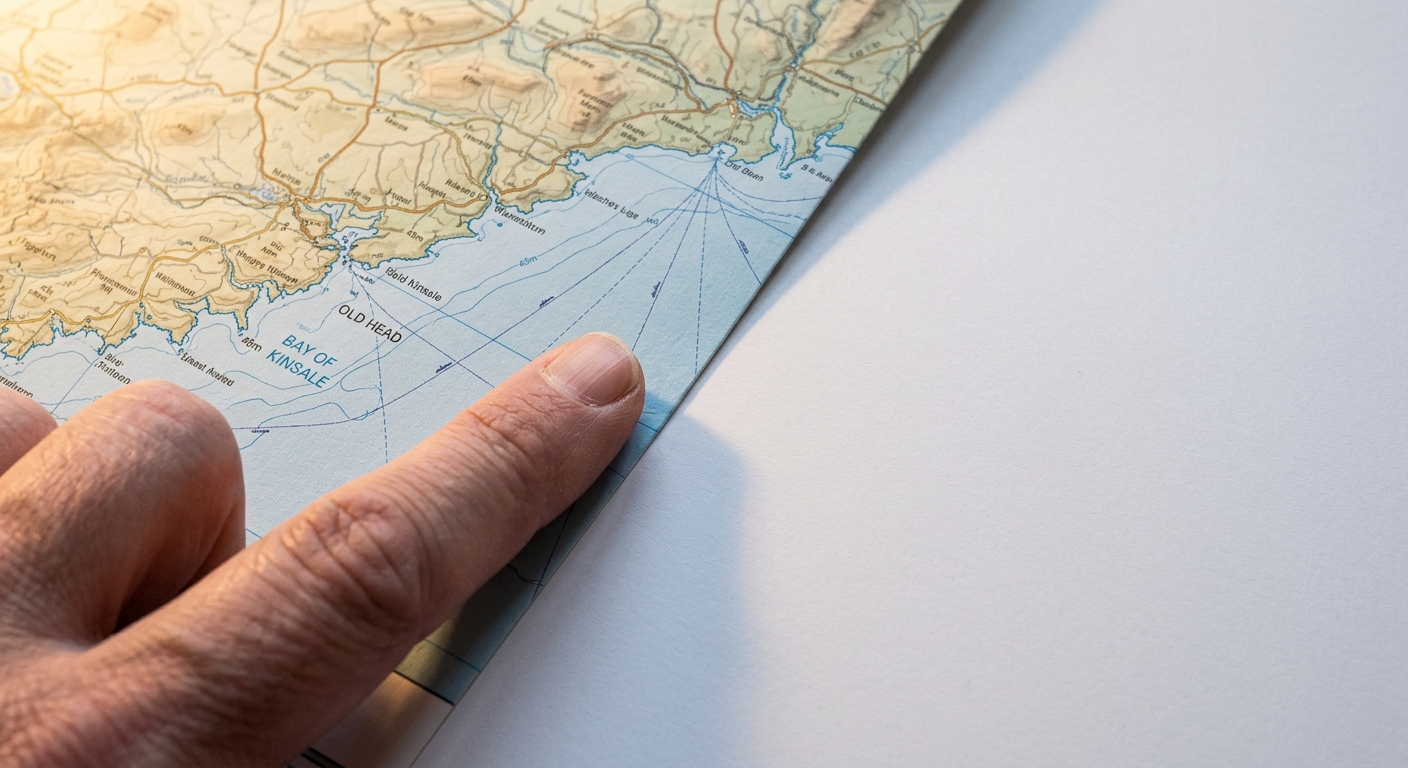
Leave It Alone: The Case for Letting Earth Keep Its Secrets
A thought-provoking ethical take that flips the exploration narrative entirely — asking not 'why can't we explore these
hook, intresting, story · 11 min read · April 2026
The Itch We Can't Stop Scratching
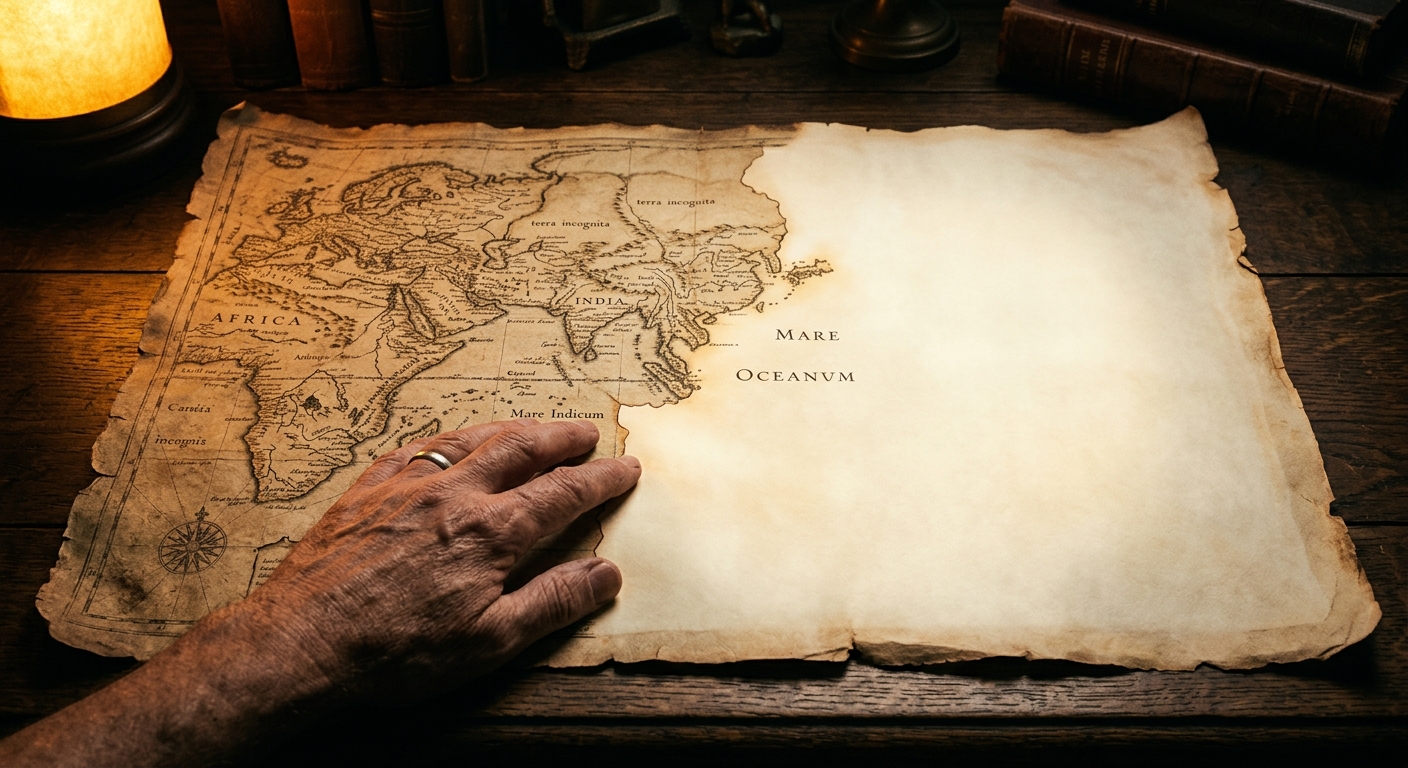
There is something almost muscular about the pull toward an unmarked space. Show a person a map with a blank region at its edge, and you can watch what happens behind their eyes—a small ignition, a leaning forward. We are wired, it seems, to read absence as invitation.
The remarkable thing is that genuine absence still exists. The deep ocean trenches plunge to depths where crushing pressure and perpetual darkness have defeated most of our instruments. Dense rainforest interiors in the Amazon and Congo basins shelter ecosystems that have never been formally catalogued. Subterranean cave networks extend for kilometers beneath karst landscapes, their passages narrowing into spaces no human body has entered. Polar subglacial lakes, sealed under kilometers of Antarctic ice, preserve water that may not have touched open air for millions of years. And then there are the zones sealed not by geology but by politics or deliberate protection—territories where access is refused, either by governments or by the communities who have lived there, on their own terms, for generations.
These places exist. That fact alone is enough to make a certain kind of person restless.
But this essay is not interested in the logistics of getting there. It is not a brief for better sonar or more agile drones. The question worth sitting with is older and less comfortable: not whether we can—we are increasingly capable—but whether we should, and who gets to decide.
The first correction the subject demands is this: "unexplored" does not mean blank on a map. It means something harder and more unsettling. We can outline a place and still not know it.
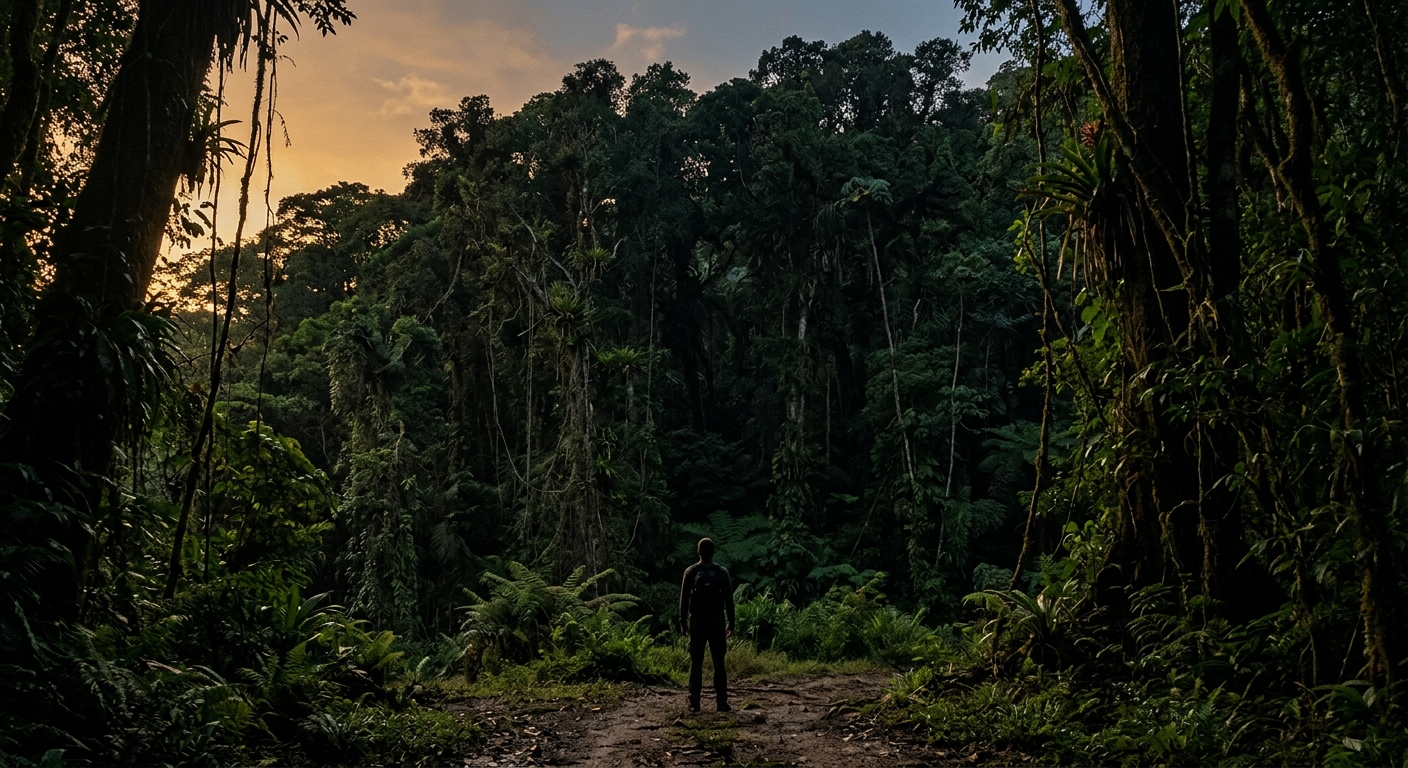
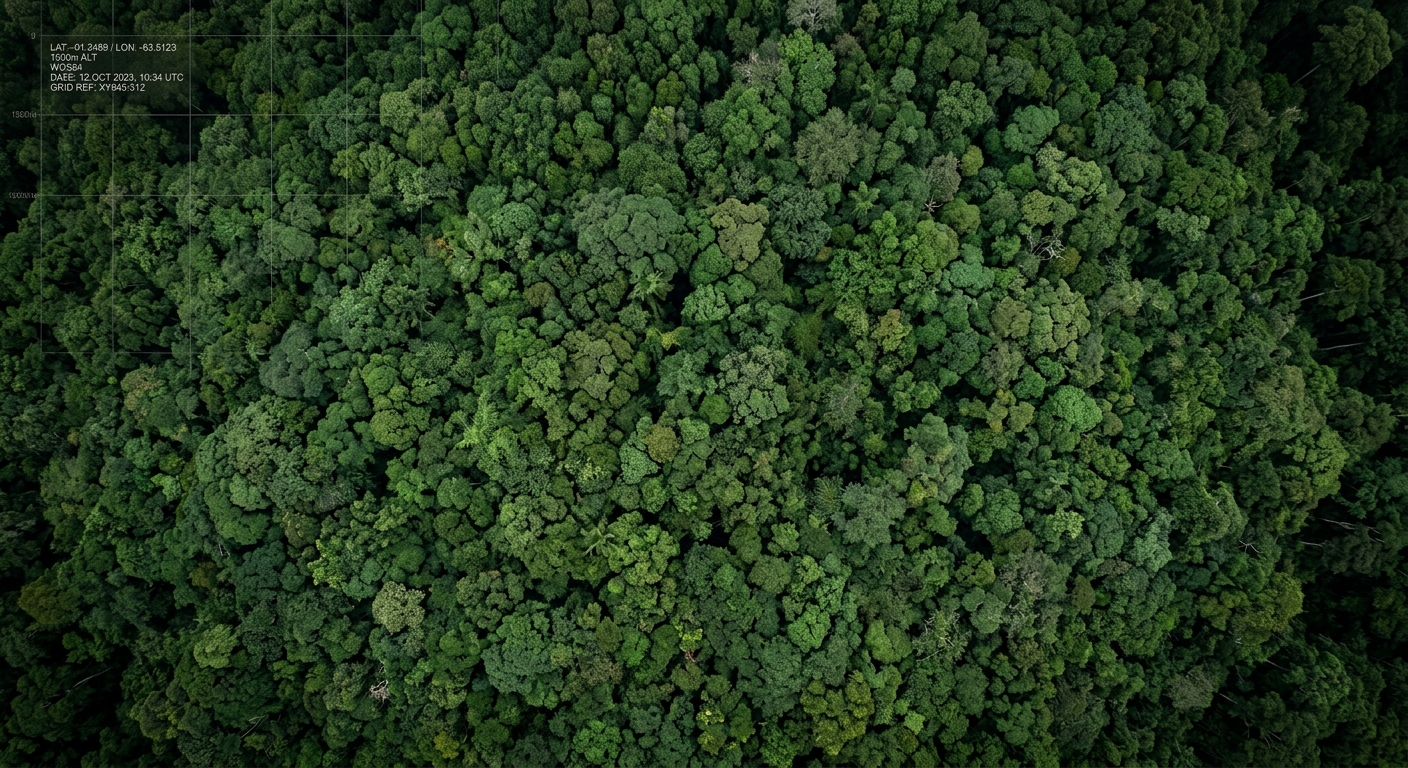
From orbit, Earth now looks almost over-described. Human movement, shipping lanes, crop cycles, city lights: so much of our activity is tracked, modeled, and archived. Yet the planet's great physical systems still keep their interiors. The abyssal seafloor can be rendered as topography, but a contour map is not the same as biological knowledge. Dense forest canopies in the Amazon and the Congo can be imaged from above, while what lives, moves, rots, and disappears beneath that green roof remains stubbornly local, its story told only in fragments. Antarctica's subglacial lakes exist under immense cold and pressure; deep cave systems branch through rock beyond easy access; certain highland interiors stay difficult not because they are invisible, but because reaching them safely and repeatedly is still hard.
Modern tools help, but each solves only part of the problem. Satellites are superb at surfaces and patterns, but they are much less useful for seeing through water, stone, or a closed canopy into the fine-grained life below. Sonar can sketch the shape of the seafloor, but shape is not ecology. A drone can extend human reach, until humidity wrecks its electronics, cold drains its batteries, or pressure crushes its housing. Remoteness is not a poetic obstacle; it is a multiplying one. Every kilometer from a port, runway, or road raises the cost of fuel, transport, safety, and communication. Difficulty does not add. It compounds.
So the paradox is real. We inhabit an era of near-total surveillance of ourselves and still possess only fragmentary knowledge of vast oceanic, subterranean, and forest worlds. That gap is not evidence of neglect so much as a testament to scale, hostility, and the mismatch between our instruments and the environments we wish them to master.
But there is another edge to this problem. Some places resist us because they are physically hard to enter. Others resist because entry has consequences. And in a few cases, the line between "not yet reached" and "not ours to penetrate" is thinner than the rhetoric of exploration likes to admit.
What 'Discovery' Has Always Cost
That line has always been thinner than the rhetoric of exploration admits. The word itself is worth pausing on. Discovery implies a before and after—a thing that did not exist, in any meaningful sense, until someone arrived to find it. This raises the obvious, uncomfortable question: what do we call the people who were already there?
This isn't a new critique, but it bears repeating precisely because the language keeps resetting. European contact with the Americas, Australia, and the Pacific islands followed a remarkably consistent pattern: peoples who had developed sophisticated relationships with their landscapes over thousands of years were recast as features of that landscape, obstacles or curiosities rather than authors of their own worlds. What followed—disease, displacement, forced conversion, the systematic extraction of resources—was often framed not as conquest but as the natural consequence of contact, as if harm were simply what discovery cost. The bill, somehow, always came due for the people being discovered.
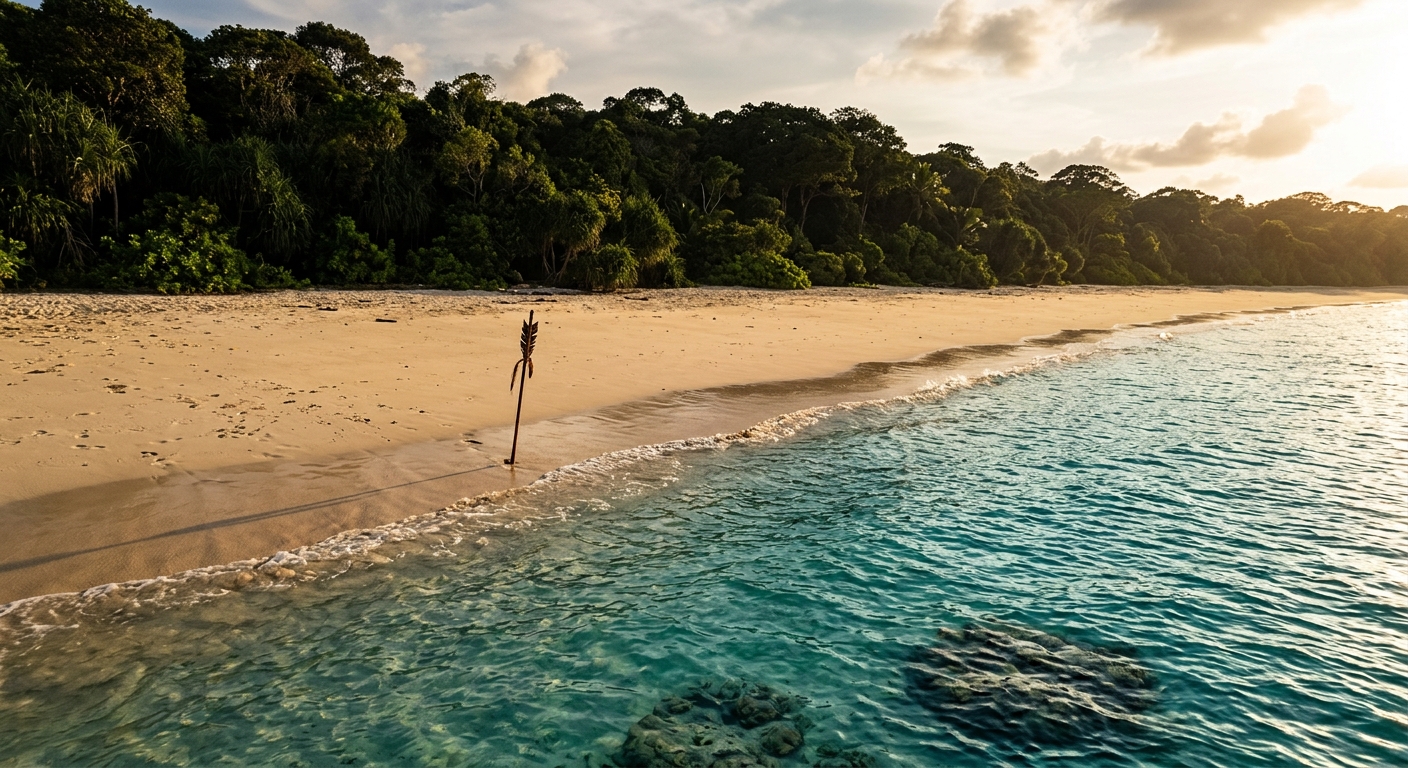
The Sentinelese of North Sentinel Island, a small island in India's Andaman archipelago, present one of the starkest contemporary tests of this logic. They have lived there for an estimated 50,000 years, making them among the longest continuous inhabitants of any place on Earth. They have also made their position on visitors unambiguous, meeting approach attempts with arrows and, on occasion, lethal force. India has responded with protection orders that prohibit travel within three nautical miles of the island, a legal framework that is imperfect in its enforcement but remarkable in its basic premise: that a people's refusal of contact constitutes a right, not a problem to be solved.
When John Allen Chau, an American missionary, was killed on the island's shore in 2018 after repeated attempts to make contact, the global reaction fractured along familiar, painful lines. Some mourned a young man's death. Others asked a harder question: whose curiosity was this, really, and who bore its consequences?
That question doesn't resolve cleanly, and it shouldn't. There is something genuinely human in the desire to know what lies beyond the next ridge, the next horizon, the next silence. The impulse isn't simply imperial; it's also the same force that drives science, art, and the basic act of paying attention to the world. But an impulse isn't an entitlement. The desire to know something does not, by itself, obligate the world—or the people in it—to be known. That distinction is where a great deal of history has gone wrong.
The Ecosystem That Survives by Being Ignored
The cost of that entitlement has never been merely human. There is a biological price as well, paid by ecosystems that have survived precisely by being ignored.
There is a concept in conservation biology called ecological naivety—the condition of a species or system that has evolved in such isolation that it carries no memory, genetic or behavioral, of the threats that exist elsewhere. The dodo didn't run from sailors not because it was stupid, but because nothing in its evolutionary history had ever required running. Isolation, over long enough timescales, produces life that is exquisitely fitted to one place and catastrophically unprepared for everything outside it. The most intact ecosystems on Earth tend to share this quality. Their biodiversity is, in part, a measure of how thoroughly they have been left alone.
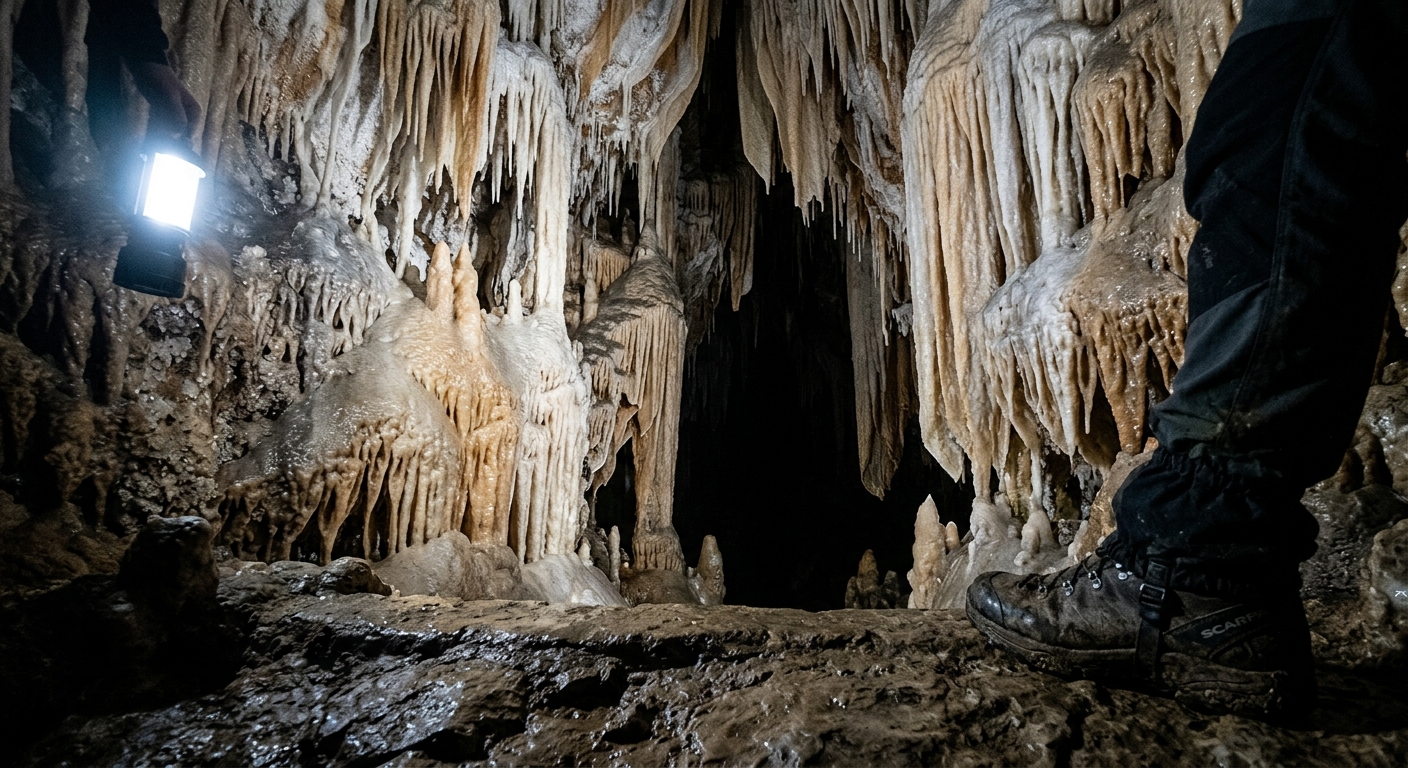
This presents a quiet paradox for the very people who would protect such places. Scientific expeditions carry contamination risks that are easy to underestimate. Boots transfer fungal spores between cave systems; a single infected pair has the potential to introduce the pathogen behind white-nose syndrome to bat colonies that have never encountered it. Researchers exhaling carbon dioxide in enclosed subterranean environments alter the atmospheric chemistry that drives delicate mineral formations. Ocean research vessels take on ballast water in one bioregion and discharge it in another, moving larvae and microorganisms across boundaries that evolution spent millions of years constructing. The instruments of understanding are also, sometimes, instruments of harm.
And yet, the counterargument is not so easily dismissed. How do you protect a place you cannot describe? Conservation funding follows documentation. Legal protections require named species, mapped boundaries, evidence of ecological significance. The argument for going in—carefully, minimally, with full biosecurity protocols—is not mere scientific curiosity. It is, in some cases, the only way to build the political case for keeping everyone else out.
What emerges from this tension is not a clean resolution but a more precise question: who documents, and toward what end? There is a difference between an expedition designed to extract knowledge and one designed to establish a perimeter. The latter might require learning just enough to argue for ignorance—a strange, disciplined act of restraint dressed up as research. Leaving something alone is not passivity. It is a choice that has to be remade continuously against the pressure of curiosity, economic interest, and the institutional hunger for new data. Some of the most biodiverse places on Earth remain so precisely because they were, for long enough, simply too difficult or too obscure to reach. That obscurity, it turns out, was doing conservation work that no policy ever managed to replicate.
Sovereignty Over the Unknown
But this raises a crucial distinction: a place being obscure to Western science is not the same as it being unknown. Much of what gets labeled "terra incognita" on expedition maps is, in fact, deeply known—by the people who have lived within it, navigated it, and named its seasonal moods for generations. The framing that treats documentation as the arrival of knowledge, and its absence as a kind of vacancy, carries a hierarchy inside it that rarely gets examined.
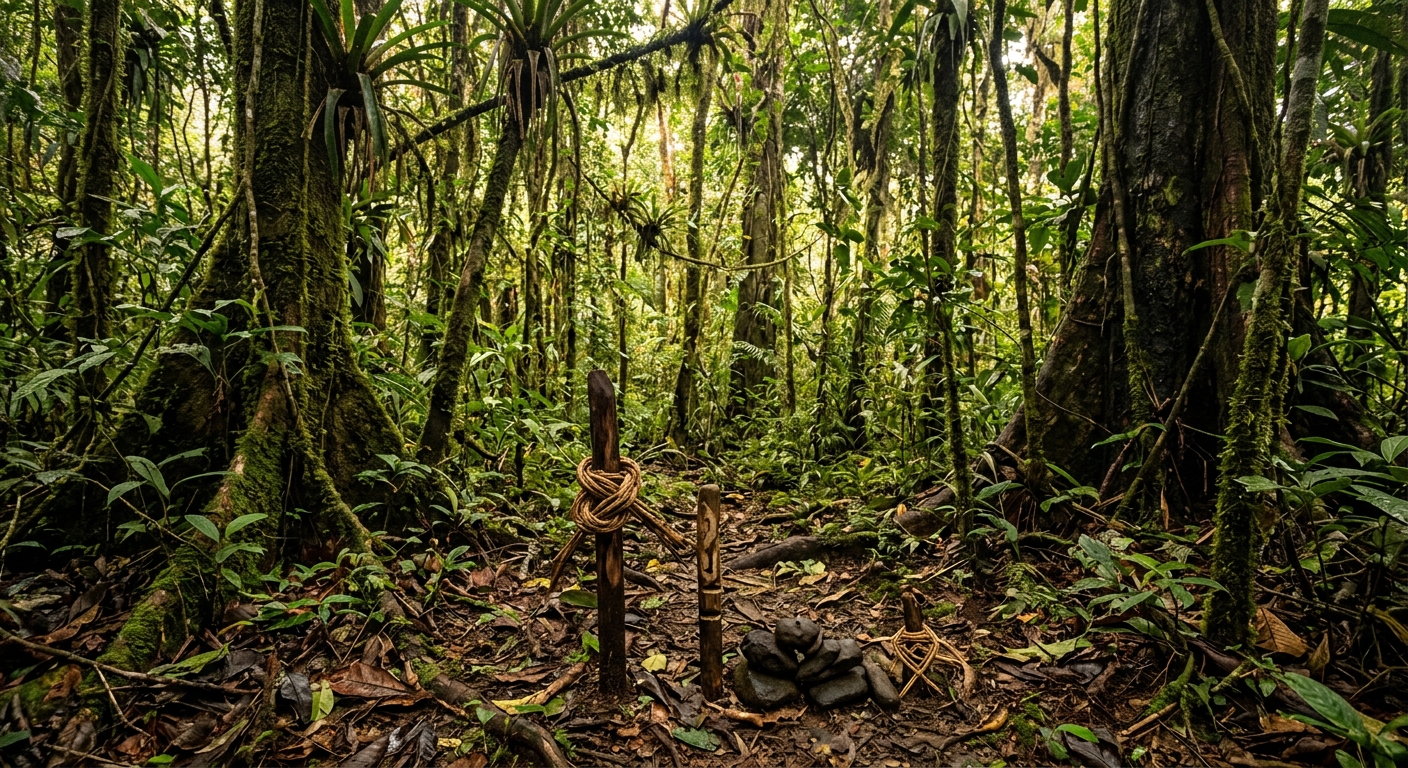
Indigenous communities across the Amazon basin, the Andaman Islands, and the forests of central Papua New Guinea have argued that their territories should remain exactly as they are: unmapped by outside agencies, uncontacted by researchers, legally walled off from the access roads that tend to precede extraction. The Sentinelese represent perhaps the most visible case, but the political difficulty of sustaining such protections is real. Extractive industries—mining, logging, oil—have a long record of finding routes around indigenous land rights, whether through legislative rollback, corrupt permitting, or the slower erosion of enforcement.
What these communities are often protecting is not just land in the physical sense but a knowledge system that has no interest in being absorbed into the broader scientific literature. This raises a question worth sitting with uncomfortably: when we describe a place as a problem to be solved by exploration, whose definition of "problem" are we using? The assumption that undocumented ecosystems represent gaps that science has an obligation to fill is itself a position—one that places a particular kind of institutional knowledge above others without quite admitting it.
Epistemic humility, in this context, means more than acknowledging what we don't know. It means asking whether our desire to know is, in some cases, a form of encroachment dressed in the language of curiosity. Some places are not waiting to be discovered. They are simply not ours to enter.
The Case for Chosen Ignorance
To accept that some places are not ours to enter requires more than a political argument; it requires a philosophical one. There is a tradition, older than the scientific method and largely crowded out by it, that treats restraint as a form of intelligence. The Stoics called it sophrosyne—a disciplined moderation, an understanding that appetite and capacity are not the same thing. Kant worried about the hubris of pure reason untethered from ethics. Even within science, the precautionary principle encodes this instinct: when the consequences of an action are uncertain and potentially irreversible, the burden of proof falls on those who want to act, not on those who counsel waiting. We have applied this logic to pharmaceuticals and nuclear waste. It is worth asking whether we should apply it to geography.
This is not an argument against knowledge itself. It is an argument that knowledge has costs, and those costs are not always distributed fairly or acknowledged honestly. When an expedition maps a previously undocumented cave system, the knowledge generated belongs, in practice, to whoever funds the expedition or publishes the paper. The ecosystem that was entered—and inevitably altered, however carefully—receives nothing in return. The calculus of benefit is asymmetric from the start.

What would a genuine leave-it-alone policy look like? Not impossibility; physical barriers are already crumbling. It would have to be consensus: international legal frameworks that designate certain zones as permanently off-limits, enforced not by geography but by agreement. Some precedent exists. The Antarctic Treaty System restricts military activity and mineral extraction across an entire continent. The deliberate non-contact policy maintained around North Sentinel Island represents a functioning, if complicated, example of institutionalized restraint. These are imperfect models, but they are models.
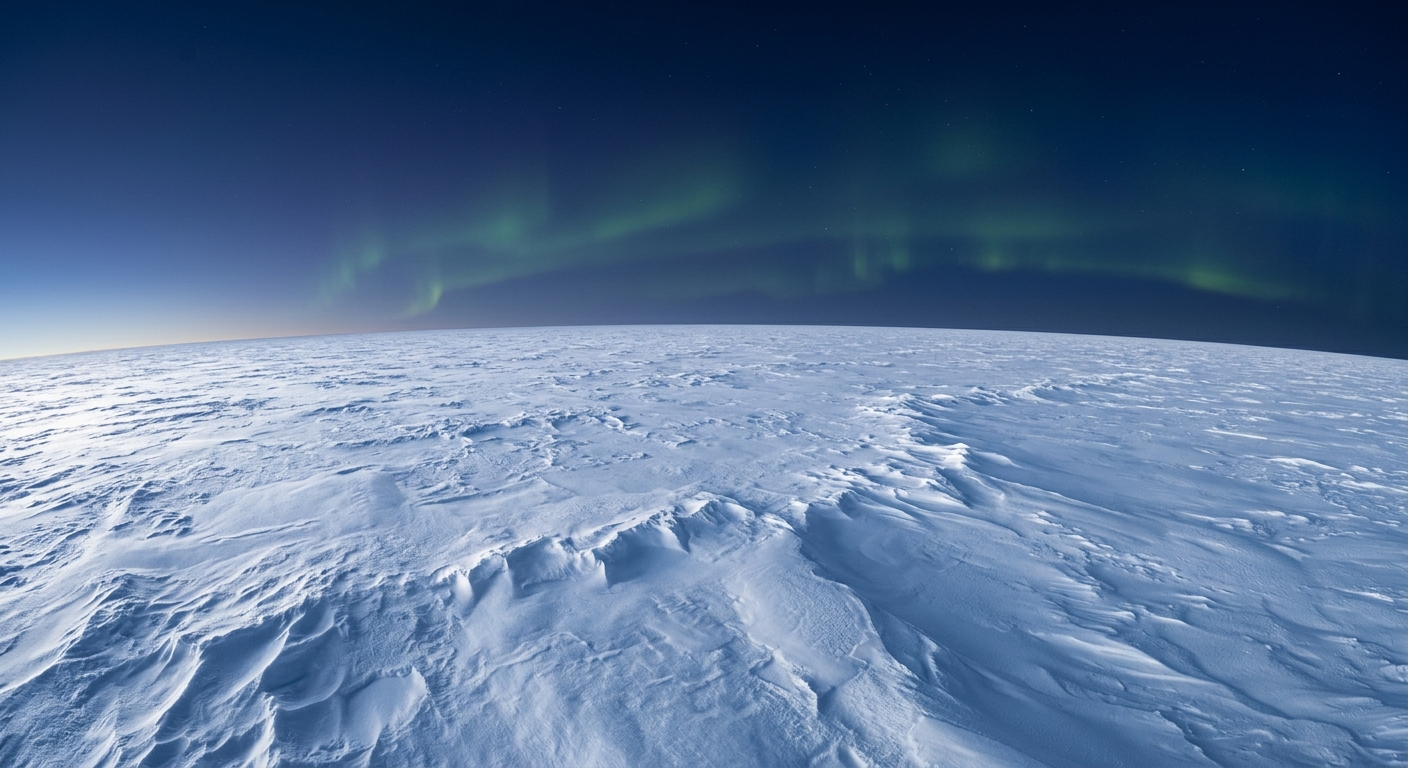
The tension with scientific progress is real and deserves honest acknowledgment. Climate research depends on ice cores from the most remote polar regions. Biodiversity baselines require knowing what exists before it disappears. These are not trivial stakes. But the fact that some exploration serves urgent collective needs does not automatically license all exploration everywhere. A surgeon's right to cut does not extend to every body in the room. Choosing not to know something, in full awareness of that choice, is not ignorance in the pejorative sense. It is, in the oldest meaning of the word, wisdom—the recognition that the map and the territory are not the same thing, and that some territories are not ours to map.
Living With the Blank Space
The blank space on the map, then, is not a wound in our knowledge—not a failure of instruments or nerve. It is something closer to a boundary, and boundaries, when they are honest, deserve to be read rather than erased.
There is a version of maturity available to us here that has nothing to do with capability. We can reach these places, or nearly. The question is whether we have the patience to let that question breathe without rushing it toward an answer.
Perhaps the most sophisticated thing a technologically capable civilization can do is choose, deliberately and collectively, to leave something alone. Not out of ignorance or fear, but out of a considered recognition that presence always costs something—and that the cost is sometimes paid by the place itself. There is no easy resolution to this tension, and perhaps resolution is not what is called for.
What is left is smaller than a policy and quieter than a principle: there is something clarifying about looking at a map and letting the white space simply be white.